
Maintaining the exterior of a property goes far beyond simple sweeping or hosing down surfaces. Over time, walls, driveways, decks, and roofs accumulate layers of dirt, mold, mildew, algae, and other contaminants that compromise both appearance and structural integrity. While cleaning these surfaces may seem straightforward, selecting the right method is crucial to achieving lasting results without causing damage.
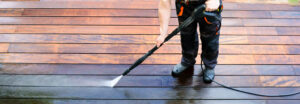
Two of the most commonly used techniques are soft washing and pressure washing. Each method offers distinct advantages, and understanding the differences can help property owners make informed decisions that preserve their investment. Check out https://www.certifiedsoftwash.ca/ for more details.
Soft washing is often described as a gentler, chemical-based approach that combines low-pressure water with specially formulated cleaning solutions. Its primary focus is on removing biological contaminants, including mold, algae, mildew, and lichen, which can thrive on wood, siding, and roofing materials. Because the method relies on a combination of cleaning agents and minimal pressure, soft washing is especially effective for delicate surfaces that could be damaged by traditional high-pressure washing. Beyond appearance, soft washing plays a preventative role by eliminating organisms that degrade surfaces over time, helping to extend the life of materials and maintain a healthier exterior environment.
Pressure washing, in contrast, relies on high-pressure water to physically remove dirt, grime, and stains from a wide range of hard surfaces. This technique is particularly useful for durable materials like concrete, brick, and stone, where tough buildup requires mechanical force to break down. While highly effective, pressure washing carries inherent risks if applied incorrectly, such as surface etching, paint stripping, or water infiltration into cracks. As a result, professionals emphasize the importance of adjusting pressure levels to suit each material and applying the water at specific angles and distances.
One of the most common mistakes property owners make is assuming that one method can suit every surface. In reality, the choice between soft washing and pressure washing should be based on both the material type and the type of contamination. For example, vinyl siding covered in algae may be ruined by a high-pressure spray, while concrete driveways coated with oil stains may require the force of pressure washing to remove embedded grime. Recognizing these differences ensures not only a more effective clean but also protection against costly damage.
Benefits of Soft Washing
Soft washing offers several advantages that make it the preferred method for certain surfaces. First and foremost, it minimizes the risk of damage. Materials like wood, composite decking, and certain types of roofing are vulnerable to high-pressure streams, which can splinter, peel, or erode their surfaces. Low-pressure cleaning combined with appropriate cleaning agents eliminates contaminants gently, preserving structural integrity and finish.
Another key benefit of soft washing is its ability to address the root cause of contamination. While high-pressure washing may remove visible dirt or mildew temporarily, it often leaves spores behind that can quickly regrow. Soft washing targets these organisms at a cellular level, preventing rapid re-accumulation and reducing the frequency of future cleaning sessions. For property owners seeking long-term maintenance solutions, this preventative aspect is a major advantage.
Soft washing is also more environmentally considerate in certain cases. By using carefully formulated cleaning solutions, the method allows for lower water consumption compared to high-pressure techniques that rely heavily on volume and force. Additionally, biodegradable or plant-safe chemicals can minimize the impact on surrounding landscaping, soil, and water runoff. This makes soft washing a compelling choice for residential areas or properties with delicate gardens and outdoor features.
Benefits of Pressure Washing
Pressure washing, on the other hand, excels in situations where physical force is necessary. Hard surfaces such as concrete driveways, brick walkways, and stone patios accumulate grime, oil, grease, and other stubborn stains that soft washing alone may struggle to remove. High-pressure water blasts through buildup efficiently, restoring surfaces to a clean and visually appealing state.
Another advantage of pressure washing is speed and coverage. Professionals can clean large areas quickly and evenly, making it an efficient choice for commercial properties or expansive residential exteriors. Modern pressure washing equipment allows technicians to adjust flow rates and pressure levels, ensuring effective results without unnecessary risk of damage.
Pressure washing also works well in preparation for sealing, resurfacing, or painting. Concrete or stone surfaces often require a clean, rough texture for coatings to adhere properly. By removing embedded debris, pressure washing ensures that sealants and finishes bond effectively, prolonging their lifespan and improving performance.
Choosing the Right Method for Every Surface
Selecting between soft washing and pressure washing involves evaluating both the material and the condition of the surface. Here’s a breakdown of ideal scenarios for each method:
- Soft Washing:
- Wood decks and fences
- Vinyl, aluminum, or stucco siding
- Roofs with shingles or tiles susceptible to erosion
- Surfaces covered in mold, mildew, algae, or lichen
- Pressure Washing:
- Concrete driveways, sidewalks, and patios
- Brick or stone exteriors
- Garage floors and heavily stained hardscapes
- Surfaces requiring preparation for sealing, painting, or other coatings
It’s important to note that some projects may require a combination of both methods. For example, a home with a concrete driveway, vinyl siding, and a wooden deck may benefit from pressure washing for the driveway and soft washing for siding and deck surfaces. Professionals are trained to assess the unique needs of each property and apply the appropriate technique to ensure optimal results across all materials.
Common Mistakes to Avoid
Even experienced property owners sometimes make mistakes when attempting to clean exteriors themselves. High-pressure equipment used incorrectly can cause splintering, etching, or water infiltration into walls and roofs. Conversely, applying chemical solutions without proper dilution or contact time can result in surface discoloration or ineffective cleaning.
Another frequent mistake is failing to account for surface condition and preparation. Loose paint, rotting wood, or cracks can be exacerbated by improper washing methods. Professionals perform inspections before beginning work, identifying vulnerable areas and tailoring techniques to prevent damage. This ensures that the cleaning process not only restores appearance but also supports long-term surface health.
Timing is also critical. Cleaning surfaces in direct sunlight or extreme temperatures can reduce effectiveness, leaving streaks or uneven results. Professionals carefully schedule their work to optimize conditions, providing uniform and lasting results.
Integrating Cleaning Into Property Maintenance
Both soft washing and pressure washing serve as foundational steps in comprehensive property maintenance. Clean surfaces are easier to inspect, maintain, and protect. Regular cleaning also reduces the need for costly repairs by removing contaminants that accelerate wear over time.
Property owners should view exterior cleaning as part of a routine schedule. A typical plan may include soft washing sensitive areas annually, pressure washing hardscapes seasonally, and conducting periodic inspections to identify areas requiring attention. This systematic approach enhances curb appeal, improves safety, and extends the lifespan of exterior materials.
Professional Expertise Matters
While some homeowners attempt DIY cleaning, hiring a professional ensures that the method, equipment, and chemicals are applied correctly. Professionals have the experience to balance pressure, solution strength, and cleaning duration to avoid damage while achieving optimal results. They also bring specialized tools that allow for safe access to high or awkward areas, such as roofs and multi-story siding, ensuring thorough cleaning without risk of injury.
Furthermore, professional services provide accountability and consistency. Regular maintenance plans can be tailored to property needs, ensuring that cleaning occurs at appropriate intervals and that surfaces are cared for according to their material requirements. This long-term strategy helps maintain both appearance and value, supporting the property’s overall longevity.
Choosing between soft washing and pressure washing is not a matter of preference but a strategic decision based on surface type, contamination, and maintenance goals. Soft washing offers gentle, chemical-driven cleaning that prevents regrowth and protects delicate materials. Pressure washing provides powerful, high-pressure cleaning for durable surfaces and stubborn stains.
Understanding the differences allows property owners to optimize cleaning efforts, protect investments, and maintain curb appeal. In many cases, combining both methods under professional guidance provides the most effective solution, ensuring that every surface is cleaned safely and thoroughly.
Ultimately, whether restoring a driveway, revitalizing siding, or refreshing a deck, the key to successful exterior maintenance lies in selecting the right method for the right surface. By doing so, property owners achieve not only immediate improvements in appearance but also long-term protection, performance, and value for their property. Properly executed exterior cleaning is not just about aesthetics—it’s about preservation, safety, and strategic upkeep that supports every subsequent maintenance or improvement project.